Stories · Qvevri · Georgia
What Is a Qvevri? Georgia’s Buried Clay Vessel, Amber Wine, and How to Choose a First Bottle
A qvevri is an egg-shaped clay vessel used in Georgia to ferment, age, and store wine. Buried in the earth for steady temperature, long skin contact can turn white grapes amber. Learn how the method works and how to pick a first bottle.
What this article covers
- What is a qvevri, and how does it differ from barrels or steel tanks?
- Why bury the vessel, and why keep the skins in?
- Are amber wine (orange wine) and qvevri wine the same thing?
- What should you check on a label for a first bottle?
Wine is not only made in oak
Most wines on the shelf come from oak barrels or stainless steel. In Georgia, egg-shaped clay vessels buried in the earth have long been part of the craft.
That vessel is the qvevri.
In 2013, qvevri winemaking was inscribed on UNESCO’s Intangible Cultural Heritage list. What was recognized is not only the pot, but the knowledge of using it.
Skin contact means leaving juice with the grape skins. Colour and tannin move across, so tint and texture change. Georgia has long done this inside the qvevri. See also What Is Orange Wine?.
A qvevri is an egg-shaped clay vessel
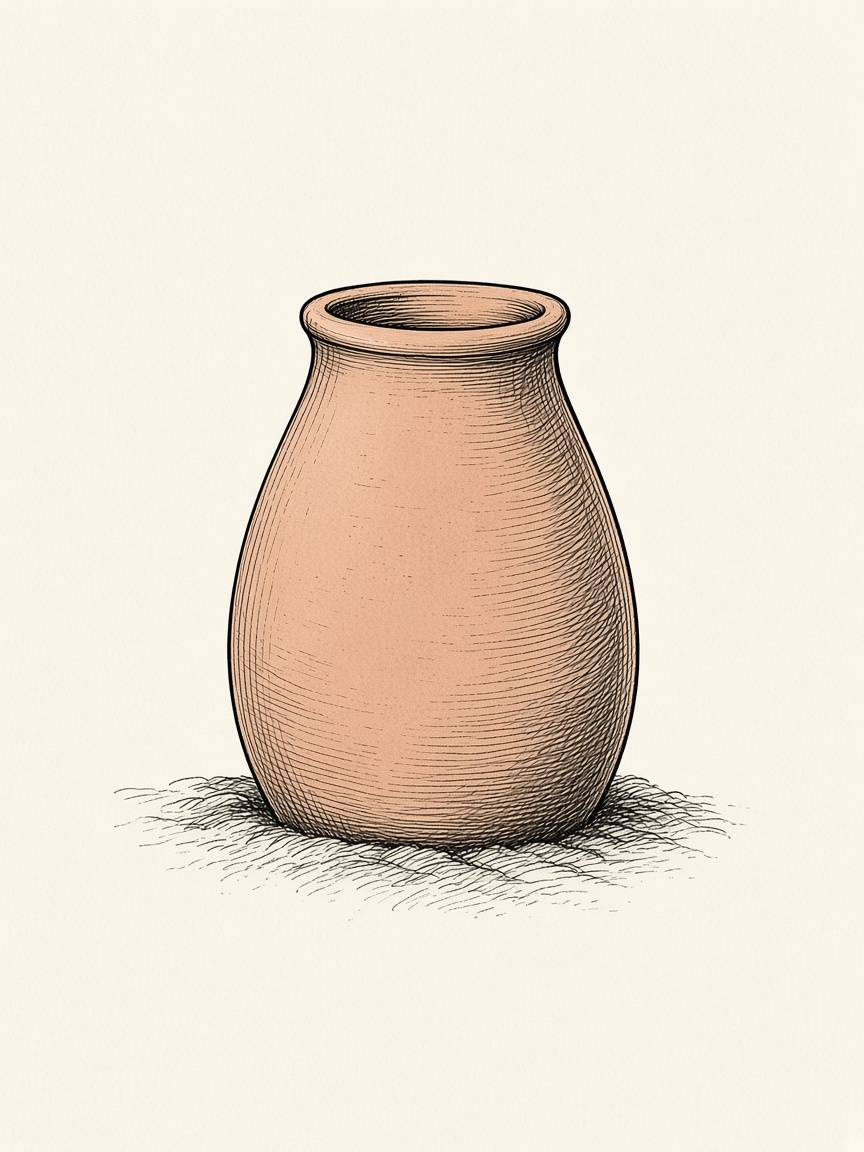
A qvevri is an earthenware vessel for fermenting, aging, and storing wine. It has no handles. The shape is egg-like, with a pointed base.
Sizes range from small pots to vessels of several thousand litres. A few hundred litres is common.
Good clay is scarce. Makers inherit both shape and knowledge of which earth to use. The inside may be lined with beeswax for waterproofing and hygiene.
Oak can add wood aroma. Steel usually does not. A qvevri changes how juice and solids move, through clay, shape, and underground temperature. The vessel is part of the recipe.
Why bury it, and why keep the skins?
Two problems matter. First is heat. Fermentation warms the must. Too much heat can roughen aroma.
Second is contact between juice and solids. Solids means skins, seeds, and stems.
So qvevri are buried. The earth holds a steadier temperature, like a natural cellar.
The egg shape is often said to help solids and liquid circulate during fermentation.
A traditional outline starts in a wooden trough called a satsnakheli. A satsnakheli is the trough used to crush grapes by foot.
Next, juice and chacha go into the qvevri. Chacha is the solids left after crushing: skins, seeds, and stems.
Wild yeast ferments the wine. Then the vessel is sealed for aging. Regions differ on how much chacha, and whether stems are used.
A marani is the cellar space where qvevri sit in the floor. The culture is the room and the craft, not only the pot.
In the marani, one grower checks each mouth
Dawn in Kakheti. A grower stands on the marani floor. Only the mouths of buried qvevri show.
The earth is cool. The rim is rough. Fermentation is quiet. Before the lid comes off, smell and colour are the first checks.
After long contact, white grapes can move from gold toward amber. The outline of tonight’s glass is decided here.
Amber wine and qvevri are not the same thing
Amber wine (orange wine) names a style: white grapes fermented with skins.
Qvevri names a vessel and a method.
Wine from a qvevri is not automatically amber. Short contact stays paler.
Long skin contact outside a qvevri can still make amber wine in tanks or barrels.
Georgia also makes many European-style bottles in steel. Qvevri is not the only Georgian wine.
Three ways to choose a first bottle well
First, the method word. Look for qvevri or kvevri on the label.
Second, the grape. Saperavi is common for red. Rkatsiteli and Kisi often appear for white. Knowing the name narrows what to expect.
Third, style notes. Check for skin contact, amber, or orange. Those three reduce surprise in the glass.
For a first try, some people start with a lighter modern white or a dry Saperavi. Among producers introduced by Kamiya Wine, Georgian Legend and Chelti share grower context. For arrival updates, use Contact.
The outline of the vessel remains in tonight’s glass
When you tip an amber glass tonight, the colour is not only a trend. Underground temperature, an egg-shaped vessel, and the choice to keep the skins share one cup.
When labels confuse you, return to method, grape, and style.
In Japan, alcohol is illegal for anyone under 20. Never drink and drive. Drinking during pregnancy or breastfeeding can harm fetal or infant development. Please drink in moderation.