Stories · Sparkling · How to Choose
What Is Sparkling Wine? From “Devil’s Wine” to Champagne, Cava, Prosecco, and How to Choose
Bubbles in wine were once treated as a fault. Learn the main methods, how Champagne, Cava, and Prosecco differ, and how to choose a first bottle and serving temperature.
What this article covers
- What is sparkling wine?
- How do bottle fermentation and tank fermentation differ?
- What do the names Champagne, Cava, and Prosecco mark?
- Which three checks (dryness, temperature, occasion) help you pick a first bottle?
Bubbles were not always a celebration
Sparkling wine now feels made for a toast. Its bubbles were once treated as a fault.
When fermentation restarts in a bottle, carbon dioxide builds up. Corks can blow and the wine can turn hazy. In cold cellars, some workers called it the wine of the devil.
The fine stream in your glass comes from turning accident into craft. Before memorizing labels, learn how bubbles form and how the wine is clarified.
Two main ways to make the bubbles
First is bottle fermentation, the traditional method. Sugar and yeast are added so a second fermentation happens inside each bottle. The carbon dioxide becomes the bubbles. Champagne, many Cavas, and some Crémants follow this path.
Second is tank fermentation, often called the Charmat method. The second fermentation runs in a sealed tank, then the wine is bottled under pressure. Much Prosecco is made this way, often with vivid fruit aromatics.
In both paths, the hardship was less the bubble itself than yeast sediment (the lees) and uncontrolled pressure. A clear toast arrives after that struggle.
In a dark cellar, one woman kept turning each bottle
One person who helped bring clear Champagne bubbles forward lived in early nineteenth-century Champagne. She took over the house known as Veuve Clicquot. Her name was Barbe-Nicole Clicquot, also called Madame Clicquot.
Her problem was yeast sediment left in the bottle. That sediment is called the lees. Lees make the wine look cloudy.
The answer became remuage, or riddling. Remuage means resting bottles at an angle on a rack and turning them little by little so scattered lees gather in the neck. It is preparation for a clear wine.
Next comes disgorgement. The neck is frozen so the lees form an icy plug. When the bottle opens, pressure ejects that plug, and the wine inside stays clear.
In a cold, damp cellar she kept turning bottles one by one. That patient craft met guests who wanted clear gold Champagne.
From here: how to choose. Champagne, Cava, Prosecco
The three names you see most often are not a ranking of bubble strength. They mark place rules and typical methods.
Champagne is a protected name for wine from the Champagne region of France that meets set rules. Many bottles use bottle fermentation.
Cava is centred in Spain and is often bottle fermented.
Prosecco is rooted in northeast Italy. Tank fermentation is common, with floral and pear-like aromatics that feel approachable.
Do not judge only by price. Read the place on the label and notes such as bottle fermentation or Charmat. Styles also exist outside these three maps. Among producers introduced by Kamiya Wine, Bolfan includes a sparkling line.
Three ways to choose a first bottle well
First, sweetness. Brut usually signals a drier style. If you prefer dry wine, start there.
Second, temperature. Too cold closes aroma. Too warm can make bubbles feel coarse. At home, chill in the fridge for about thirty minutes, or use an ice bath briefly. For an opened bottle, see How to Store Wine.
Third, the occasion. For an aperitif, a fruit-forward tank method can feel easy. For a longer meal, bottle-fermented wines often bring finer bubbles and gentle yeast notes. For arrival updates from Kamiya Wine, use Contact.
The bubbles in tonight’s glass continue that turn from fault to toast
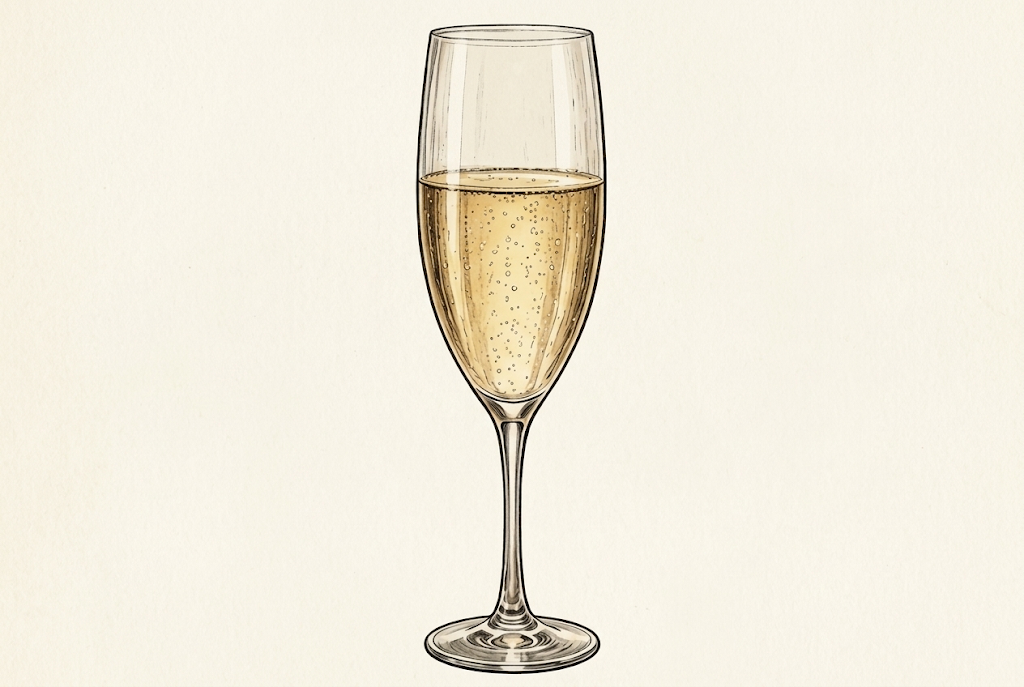
Sparkling wine is more than wine with bubbles. It is also the name for methods that turned blown corks and haze into a clear toast.
When you next open a bottle, watch the first thin stream rise. Those bubbles continue the craft of turning bottles in a cold cellar. When labels confuse you, return to dryness, temperature, and the table.
In Japan, alcohol is illegal for anyone under 20. Never drink and drive. Drinking during pregnancy or breastfeeding can harm fetal or infant development. Please drink in moderation.